
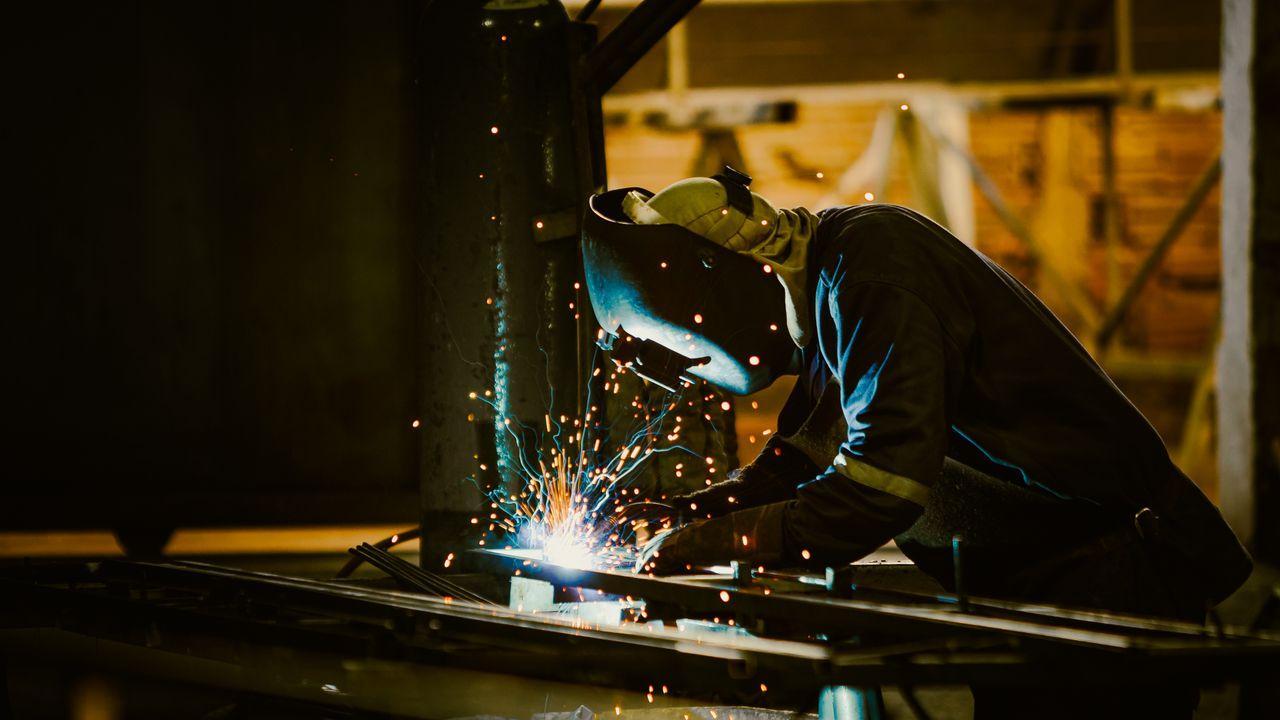
Upgrading a workshop with commercial-grade machinery and safety gear can feel like a catch-22. You need heavy-duty tools to take on bigger contracts and work more efficiently, but dropping thousands of dollars upfront drains working capital and leaves little room for unexpected expenses. Whether you’re running an independent fabrication shop or building out a personal workspace, tying up all your liquid cash in hardware is a risky move.
Outfitting a top-tier workspace doesn’t have to mean choosing between financial stability and professional performance. Smart operators use strategic sourcing and structured capital planning to get high-performance gear into their shops without blowing their budgets.
1. Bundle Hardware with High-Duty Consumables and Local Supplier Perks
One of the easiest ways to stretch your equipment budget is by partnering with full-service industrial suppliers rather than buying piecemeal online. Authorized distributors often offer bundled deals, seasonal trade-in credits, or preferred pricing on high-end protective gear when you source your daily consumables through them. For example, trade professionals upgrading their personal protective gear often pair top-of-the-line gear like Miller welding helmets with bulk orders for shielding gas and wire. Sourcing through an established, family-owned distributor like Josef Gas, your trusted ESAB supplier, gives you access to high-grade industrial gases, specialized welding supplies, and expert technical advice that keeps long-term operating costs low.
2. Time Capital Expenditures Around Tax Incentive Windows
Before dropping major cash on new machinery, talk to an accountant or audit regional small-business tax codes. Many jurisdictions allow shop owners to write off 100% of qualified machinery and safety equipment purchases in the year they’re placed into service. Timing your major tool upgrades to align with these tax deduction windows lets you offset year-end tax liabilities, effectively giving you a discount on high-end hardware.
3. Align Equipment Growth with Holistic Financial Planning
It’s easy to get hyper-focused on tool specs and lose sight of the bigger financial picture. Outfitting a shop shouldn’t happen at the expense of your personal retirement accounts, emergency reserves, or long-term wealth goals. Integrating major capital investments into a broader wealth management strategy helps you balance business expansion against personal financial security. Working with a dedicated Investment Advisor Toronto ensures your business investments, personal assets, and tax structures work together harmoniously, letting you scale your physical operations without jeopardizing your long-term wealth trajectory.
4. Leverage Sectional Tool Leasing and Rent-to-Own Agreements
If a piece of equipment is only needed for a six-month contract, buying it outright rarely makes financial sense. Many commercial tool suppliers offer rent-to-own programs or flexible leases with low monthly payments. Leasing allows you to use revenue generated directly from ongoing client projects to cover the monthly cost of the machine. Once the project wraps up, you either buyout the remaining balance or return the unit without being stuck with depreciating hardware.
5. Buy Certified Reconditioned and Demo Floor Units
Manufacturers and regional distributors constantly rotate their showroom floors and trade show inventory. These demo units have barely been run, yet they can’t be sold as brand-new in the box. Reconditioned and factory-certified demo units often come with full manufacturer warranties and steep price cuts. Scouring regional distributor clearance sales or asking sales reps about upcoming floor rotations gets you commercial-grade durability at a fraction of the original sticker price.
Building out a fully equipped, professional-grade shop takes patience and smart financial maneuvers. Balancing smart equipment sourcing with comprehensive asset management keeps your cash flow healthy and your team fully equipped for any project that comes through the door.