
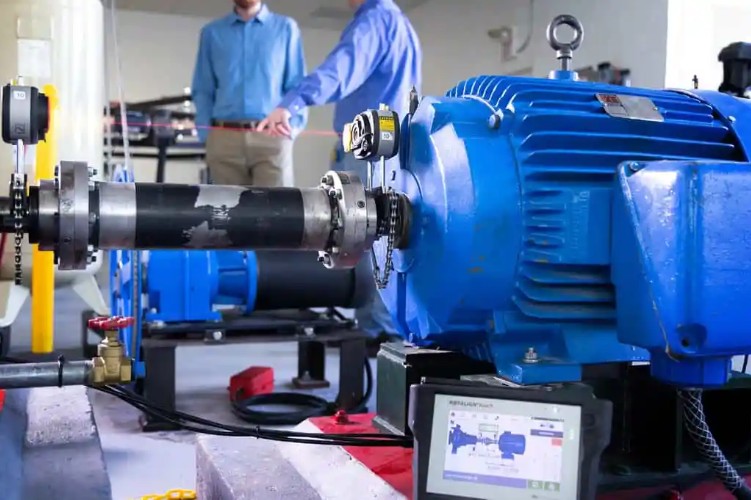
Rotating machines make up the foundation of numerous industrial processes, ranging from production facilities to power plants. It is important to ensure that these systems remain reliable by focusing on the issues of vibration, alignment, and, most importantly, proper balancing. Imbalanced rotating parts will result in premature wear, increased energy consumption, and costly downtimes. The application of specific balancing methods will help increase the lifespan of equipment, optimize its performance, and save money on repairs. Here are five methods to achieve these goals.
Conduct High-Accuracy Initial Balancing
Rotating equipment can only be relied upon if the initial balance is correct. Rotors, shafts, and impellers have to be balanced within tight tolerances either during assembly or following any repairs. By using computerized machines with digital sensors, small mass imbalances can be identified. This guarantees minimal vibration at the start and prevents gradual wear over time. Furthermore, recording initial vibration readings serves as a benchmark for comparison in case of any problems in the future. A perfectly balanced machine at the onset ensures there will be no unnecessary losses or stresses when operating. It also improves overall system stability during varying load conditions.
Implement Routine Condition Monitoring
Balance is an ongoing process that needs continuous verification. Condition monitoring on a regular basis is vital for ensuring machinery balance. There are various methods, such as vibration monitoring, thermography, and acoustic monitoring, that help diagnose imbalance before it becomes a critical issue. The trend should be monitored instead of taking one-off measurements since it will facilitate early detection of deviations from the norm. Early diagnosis helps prevent costly machine breakdowns. Predictive maintenance software integration with monitoring equipment enables the operator to conduct balancing only when needed. Regular monitoring will also create a record of machine performance.
Identify Signs of Premature Failure Early
Early warning signs of failure must be detected in order to ensure reliability. The symptoms of imbalance usually include vibrations, sounds, and increased temperature within the bearings. If these symptoms are ignored, they will cause fatigue and misalignment, which will eventually lead to failure. In many cases, investing in the best dynamic balancing services is a strategic decision that helps detect and correct issues before they escalate. Early intervention not only prevents catastrophic failures but also preserves operational efficiency and safety. Prompt action also reduces the risk of secondary damage to connected components.
Use In-Situ Dynamic Balancing Techniques
However, there are cases where the removal of equipment is not feasible due to the nature of industrial settings. One of the methods of addressing this concern is through dynamic balancing in situ, whereby balance can be made even without the removal of equipment. The process involves the use of sensors to record the vibration levels and phases, and adding or subtracting the counterweights on the rotating parts of the equipment to correct any imbalance. Since the environmental influences on load and structure come into play naturally during the process, the results obtained are much more accurate than those obtained from off-site balance correction. It also enables faster response times when imbalance issues arise unexpectedly.
Optimize Component Design and Assembly Practices
The ability to achieve effective balancing will depend not only on the methods employed in maintenance but also on how good the equipment’s design and assembly were. In designing a machine part, engineers must take into consideration factors such as mass distribution, material characteristics, and symmetry. The use of precise manufacturing processes can contribute to the assurance that parts are made with strict tolerance limits, hence minimizing the extent of corrective work needed in balancing the equipment. Assembly, meanwhile, plays an important role in the overall process of balancing. This integrated strategy helps maintain consistent performance throughout the equipment lifecycle.
Balance precision continues to be fundamental to the reliability of rotating machines. All these techniques, whether at the stage of setting up the machine correctly or through in situ balancing, are useful for ensuring that vibrations are kept low. Imbalance problems can be diagnosed and designed out of the machine’s operation, which further increases the effectiveness of these techniques. Through these five strategies, any organization will benefit in terms of reduced downtime and increased efficiency. Balance precision is more important now than ever in the competitive business environment of today.