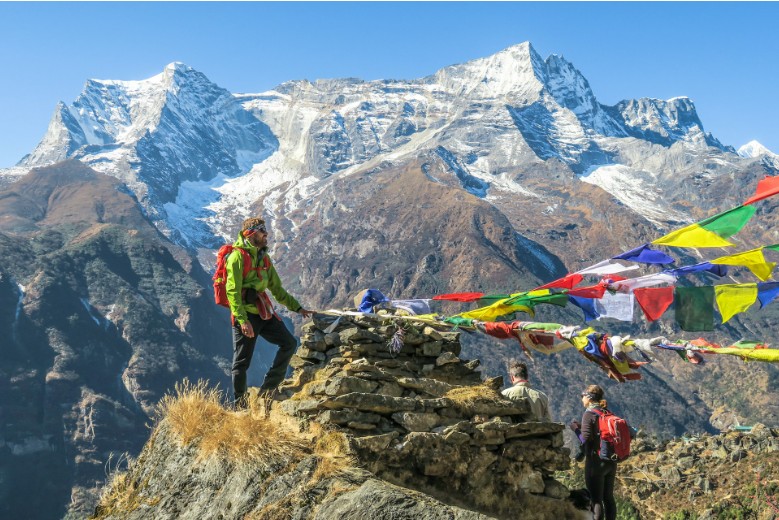
Everyone remembers the moment the idea lands. A photo of a stone trail under enormous white peaks. A friend who came back from Nepal talking differently about her life. Then the second thought arrives, and it’s less romantic: where on earth do I start?
Here’s the good news. Planning a first Himalayan trek looks complicated from the outside, but it really comes down to five decisions. None of them are hard once you see them laid out. Promise.
Pick the region before the route
Most people start by googling one famous trail, usually Everest Base Camp, and drown in fourteen open tabs by midnight. There’s a better way. Choose the region that fits your time and comfort first. The route picks itself afterward.
Nepal alone has several trekking regions, and they feel like different countries. Everest is high, dramatic, and crowded in season. Annapurna has everything from four-day village walks to circuits that eat three weeks. Langtang sits a short drive from Kathmandu, needs no internal flight, and stays strangely quiet.
My rule of thumb after watching plenty of first-timers figure this out: under a week, look at Langtang or the short Annapurna trails. Ten days or more? Now the classic base camp routes open up.
Be honest about your fitness, then train a little anyway
This surprises almost everyone. The famous trekking routes need zero climbing skill. No ropes. No ice axes. They’re long walks at a slow pace, on real trails, with lodges serving hot dal bhat every night.
What they demand instead is steady legs and patience with thin air. Can you walk five or six hours with breaks? Then you can trek. Still, give yourself two months of hill walks or stair sessions before flying out. Descents are the real leg-breakers, and your knees will remember every training session you skipped. Every single one.
Respect the altitude, because it won’t respect you
Altitude sickness doesn’t care how fit you are. It flattens marathon runners and couch potatoes with the same cheerful indifference. The fix is boring. Genuinely boring. Climb slowly, sleep lower than your highest point that day, drink absurd amounts of water, and keep rest days in the plan even when you feel great.
That’s also the strongest argument for a licensed local guide over going fully alone. Someone who’s walked a trail for ten years reads the early signs in your face before you’ve noticed anything. Local operators such as Spade Himalaya build acclimatization days into every high-altitude itinerary for exactly this reason, and a good guide will slow the whole group down rather than let one struggling trekker push too high.
Pride has carried more people into trouble up there than weather ever has.
Sort the paperwork early, from a current source
Every Himalayan country runs permits, and Nepal’s system is the one most first-timers meet. It has changed several times in recent years, which means that helpful forum thread from 2019 is now a trap. Read something current instead. This plain-language breakdown of Nepal’s trekking permits lists exact fees by region and explains which routes legally require a guide.
The short version? Permits are cheap next to the cost of the trip, they get checked at real checkpoints with real rangers, and a guided booking usually handles all of them for you. Budget an hour of reading. Not a week of stress.
Pack for two seasons at once
Mountain weather ignores calendars. On a single October day you’ll sweat uphill in a t-shirt at noon and reach for a down jacket before dinner. So think in layers: base layer, warm mid layer, waterproof shell, and one seriously warm jacket for evenings, because the moment the sun drops behind a ridge the temperature falls off a cliff and everyone in the lodge suddenly remembers exactly where they packed their hat.
Two items earn their weight every single day. Broken-in boots and sun protection. The sun at 4,000 metres burns faster than any beach, and box-fresh boots have ended more treks than altitude sickness ever will.
The mistakes that actually matter
Forget the endless gear debates. When first treks go wrong, it’s almost always one of three things. Someone booked flights with zero buffer, so one delayed mountain flight wrecked everything downstream. Someone raced the itinerary and got sick at altitude. Or someone packed for the photos instead of the weather.
One spare day. A slower pace than feels natural. Boring, warm clothes. Do those three things and you’re ahead of half the people on the trail.
So, is it worth it?
Yes. And not for the reason the photos suggest.
The views are real, obviously. But what people actually carry home is stranger and better: the rhythm of walking day after day with nothing to check, tea houses where strangers become dinner companions by candlelight, and the quiet discovery that your own two legs can carry you somewhere that used to exist only on a screen.
Start with the region. Be honest about your fitness. Respect the altitude, sort the permits, pack in layers. The mountains will handle everything else.