
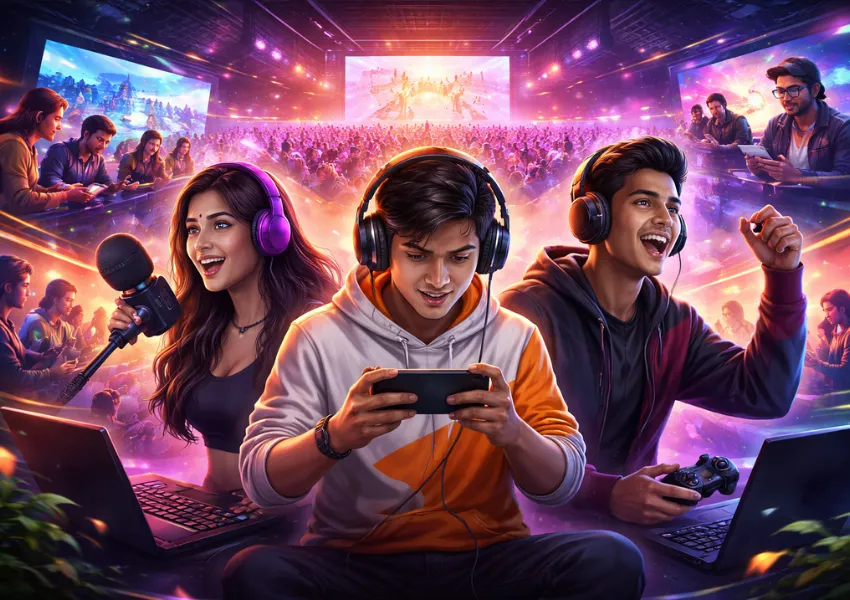
My cousin in Mumbai used to watch TV dramas every evening. Now he’s on his phone playing games until midnight. He’s part of a massive wave—42% of internet users in India, around 340 million people, now play online games regularly.
The Shift Happened Faster Than Anyone Expected
I remember my uncle calling in 2020 asking help downloading a card game app. He’d never played smartphone games before. Now he teaches me strategies I didn’t know existed.
This transformation came from better internet speeds, data plans dropping to almost nothing, and lockdowns. Jio made data cost around ₹15 per GB, opening entertainment options previously out of reach.
Developers responded by building platforms specifically for Indian users, not just translating Western games. They added regional language support, payment systems that work without international credit cards, and optimization for ₹12,000 phones instead of ₹80,000 flagships.
What Makes People Stick Around
I’ve asked dozens of friends why they keep playing. Three themes emerge consistently.
Competition drives engagement. People love testing themselves against others and seeing their rankings. My friend Priya spent 2.5 hours climbing a leaderboard last Tuesday.
Rewards keep players hooked. Even small wins—virtual coins, unlocking levels, achievement badges—deliver dopamine rushes. Basic psychology, but incredibly effective.
Pure convenience matters too. You can play during commutes, lunch breaks, or waiting for food delivery. Games squeeze into all those gaps without requiring dedicated time blocks.
The Technology Behind The Experience
Most people never think about what powers their games. The backend infrastructure matters enormously.
Whether your game runs smoothly or crashes every 10 minutes depends on the quality casino software running everything behind the scenes. These systems handle graphics rendering, secure player data, manage transactions, and keep thousands of users synchronized simultaneously. When platforms invest properly, players feel the difference immediately.
I’ve tried gorgeous games that lag unbearably and simple-looking games that run perfectly smooth. The difference isn’t visible in screenshots, but you feel it instantly when playing.
Real Money Or Just Fun?
Some platforms offer pure entertainment. Others let people compete for actual prizes and real money. That second category has exploded across India recently.
Friends treat these platforms completely differently depending on what’s at stake. Free games? They play casually, quit mid-session, don’t care about performance. Real rewards? Suddenly they’re watching tutorials, researching strategies, practicing for hours.
Legal status varies by state. Some allow skill-based gaming platforms. Others have restrictions or outright bans. Check local regulations before getting involved—boring advice, but it prevents headaches later.
Where Things Go From Here
Gaming platforms keep evolving unpredictably. My younger brother plays games that didn’t exist eight months ago. Developers constantly experiment with new formats, themes, and mechanics.
What fascinates me most is how these platforms became social spaces rather than just games. People chat with friends, join communities, build identities through gaming profiles. They’ve basically become social networks where you’re actively engaged instead of passively scrolling.
Will every Indian become a gamer? Probably not. But those numbers keep climbing monthly, and platforms keep improving. I’m genuinely curious where we’ll be in two years.