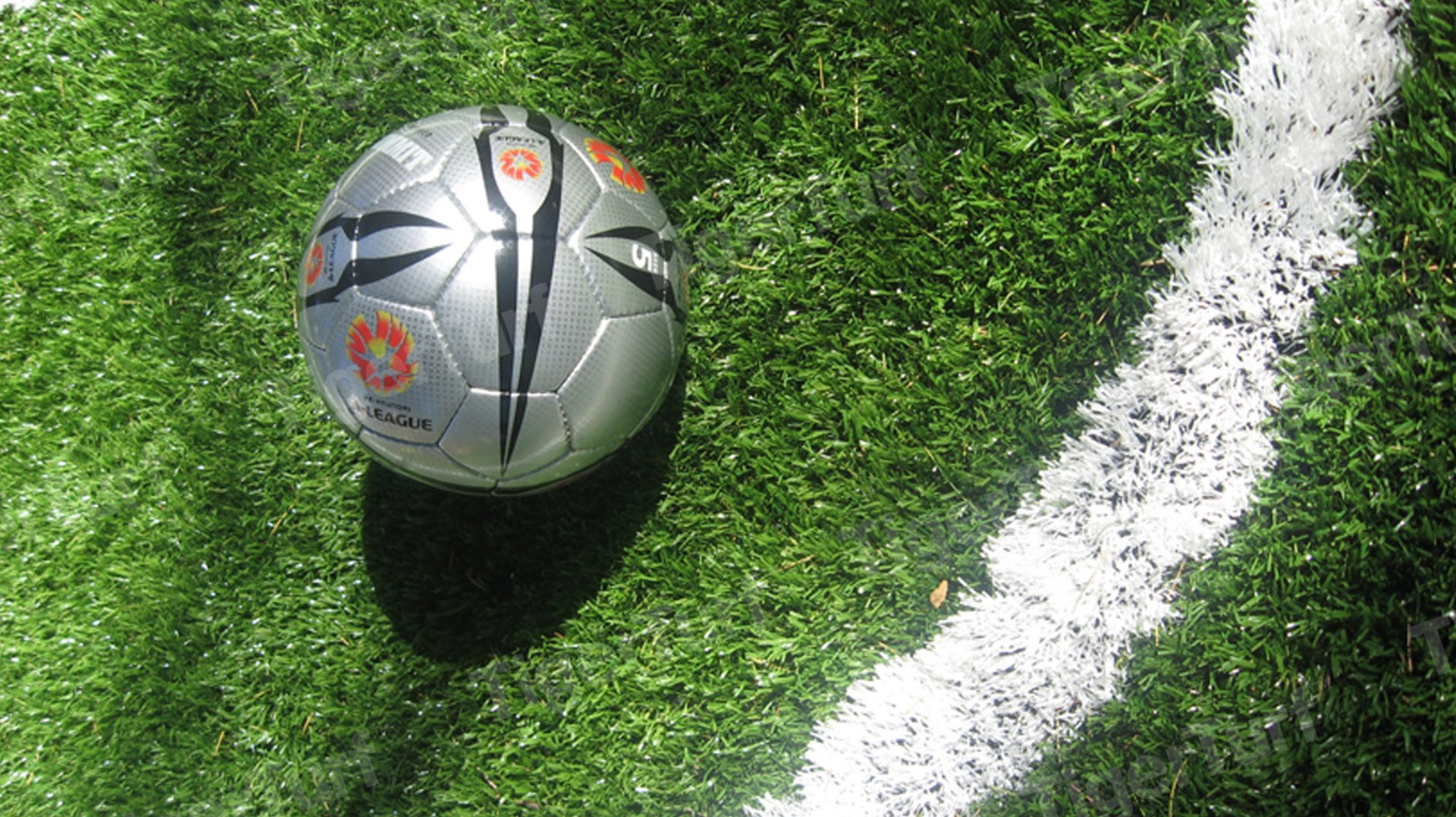
Football is a game of constant innovation—not only in tactics and training but also in the very fields where it is played. One of the most transformative innovations in recent decades is artificial turf design. Once controversial, synthetic pitches have now become standard in many countries, especially where weather, maintenance costs, and infrastructure make natural grass impractical.
Artificial turf is not just about replacing grass; it is about engineering surfaces that balance durability, safety, and performance. From schools to World Cup qualifiers, artificial pitches provide consistent playing conditions while reducing costs and environmental impact. To appreciate their role, we must trace the evolution of synthetic fields in football.
Contents
- 1 The Evolution of Artificial Turf in Football
- 2 From Early Synthetic Surfaces to Modern Fields
- 3 FIFA Standards and Industry Regulations
- 4 Key Components of Artificial Turf Design
- 5 Base Layers and Shock Absorption
- 6 Fiber Materials and Infill Systems
- 7 Benefits of Artificial Turf in Football
- 8 Durability and Weather Resistance
- 9 Cost Efficiency and Maintenance Advantages
- 10 Player Experience and Safety Considerations
- 11 Impact on Injuries and Joint Stress
- 12 Studies on Performance Differences with Natural Grass
- 13 Environmental and Sustainability Aspects
- 14 Recycling Turf Materials
- 15 Water Conservation and Eco-Friendly Practices
- 16 Technology and Innovation in Turf Design
- 17 Smart Pitches with Sensors
- 18 Advanced Shock Pads and Hybrid Systems
- 19 Global Adoption of Artificial Turf in Football
- 20 Use in Amateur Leagues and Schools
- 21 Professional Clubs and International Matches
- 22 Challenges and Criticisms of Artificial Turf
- 23 Heat Retention and Surface Temperature
- 24 Long-Term Effects on Player Health
- 25 The Future of Artificial Turf in Football
- 26 Integration with AI and Performance Analytics
- 27 Designing Safer, Smarter, and More Sustainable Pitches
- 28 Conclusion and Call to Action
The Evolution of Artificial Turf in Football
From Early Synthetic Surfaces to Modern Fields
The first generation of artificial turf, introduced in the 1960s, was little more than green carpet. Hard and unforgiving, it led to criticism from players and coaches. By the 1990s, technological improvements created softer, more realistic fibers. Today’s third- and fourth-generation turfs use layered systems that closely mimic natural grass performance.
FIFA Standards and Industry Regulations
Modern artificial turfs must meet FIFA’s rigorous standards for ball bounce, rolling speed, traction, and player safety. These standards ensure consistency across leagues and tournaments, allowing artificial pitches to be used in both amateur and professional competitions.
From this evolution, we move to the design components that make artificial turf both functional and safe.
Key Components of Artificial Turf Design
Base Layers and Shock Absorption
The foundation of turf design lies beneath the surface. Layers of gravel, rubber, and shock pads create stability and cushioning, reducing stress on joints during high-intensity play.
Fiber Materials and Infill Systems
Synthetic fibers, often made of polyethylene, replicate grass blades. Infill—typically sand or rubber granules—provides weight, traction, and resilience. Advanced infill systems now include eco-friendly materials such as cork or coconut fibers.
These structural components explain why modern synthetic pitches are more player-friendly and durable than their predecessors.
Benefits of Artificial Turf in Football
Durability and Weather Resistance
Unlike natural grass, artificial turf withstands heavy use and harsh weather. It remains playable in rain, snow, and drought, making it ideal for regions with extreme climates.
Cost Efficiency and Maintenance Advantages
While initial installation is costly, artificial turf reduces long-term expenses. Maintenance costs are up to 50% lower compared to natural grass, as it requires no mowing, watering, or re-seeding.
Such cost savings highlight why clubs, schools, and municipalities continue to adopt synthetic surfaces. But performance must also be evaluated from the players’ perspective.
Player Experience and Safety Considerations
Impact on Injuries and Joint Stress
Player safety is a critical factor in artificial turf design. Studies show mixed results: while turf reduces certain overuse injuries, some research suggests higher risks of abrasions or ligament strain. Shock-absorbing layers aim to minimize these risks.
Studies on Performance Differences with Natural Grass
Research comparing artificial turf and natural grass shows minimal differences in sprint speed, ball control, or stamina. Still, many players express preference for natural surfaces due to tradition and comfort.
This balance of safety and performance connects with broader ecosystems like ยูฟ่าเบท 168, which explore football beyond the pitch—linking play, data, and fan culture.
Environmental and Sustainability Aspects
Recycling Turf Materials
The lifecycle of artificial turf raises sustainability questions. Innovations now focus on recyclable fibers and reusable infill materials, reducing landfill waste when pitches are replaced.
Water Conservation and Eco-Friendly Practices
Artificial turf eliminates the need for daily watering. For drought-prone regions, this can save millions of liters annually. Eco-conscious turf design emphasizes water conservation while still ensuring player safety.
These environmental benefits tie into broader discussions of technology and innovation in football infrastructure.
Technology and Innovation in Turf Design
Smart Pitches with Sensors
The newest artificial turfs incorporate embedded sensors that track ball movement, player load, and surface temperature. These “smart pitches” integrate with analytics systems for training and injury prevention.
Advanced Shock Pads and Hybrid Systems
Hybrid systems blend synthetic fibers with natural grass, offering durability while maintaining the feel of natural play. Shock pads with advanced polymers provide greater cushioning and longevity.
Such innovations are increasingly recognized and adopted across global football competitions.
Global Adoption of Artificial Turf in Football
Use in Amateur Leagues and Schools
Artificial turf is especially popular at grassroots levels. Schools and community pitches benefit from durability and lower maintenance, enabling more hours of play each week.
Professional Clubs and International Matches
While some professional clubs still prefer natural grass, many top-level teams and international tournaments now use or train on artificial surfaces. FIFA and UEFA competitions have been hosted successfully on high-standard synthetic pitches.
This adoption mirrors football’s integration with digital fan platforms like ufabet bet, where data, culture, and entertainment converge.
Challenges and Criticisms of Artificial Turf
Heat Retention and Surface Temperature
One criticism of artificial turf is its tendency to retain heat, with surface temperatures reaching twice those of natural grass under sunlight. Cooling technologies and lighter infills are being developed to counteract this issue.
Long-Term Effects on Player Health
Concerns remain about the long-term impact of synthetic surfaces on joints and ligaments. While modern designs reduce risks, ongoing research continues to assess potential health implications.
Despite challenges, innovation points toward safer and more sustainable artificial turfs in the future.
The Future of Artificial Turf in Football
Integration with AI and Performance Analytics
Future pitches may integrate AI, offering predictive data on ball behavior and player workload. This would allow clubs to monitor performance directly from the playing surface itself.
Designing Safer, Smarter, and More Sustainable Pitches
Next-generation turf aims to combine eco-friendly materials with advanced shock absorption. Smarter systems will regulate temperature, recycle water, and enhance sustainability, setting new global standards.
The future of artificial turf design is one of balance: innovation that enhances play while protecting players and the planet.
Conclusion and Call to Action
The story of artificial turf design in football reflects the sport’s broader journey—where tradition meets innovation. From early carpets to advanced hybrid systems, artificial turf has evolved into a safe, durable, and eco-conscious alternative to natural grass.
It offers cost savings, sustainability, and high-performance playability, though concerns about heat and long-term health remain. The next generation of pitches promises smarter, safer, and greener designs.
For readers, understanding turf design is more than technical knowledge—it is about appreciating the unseen foundation of the beautiful game. As football continues to innovate, artificial turf will remain central to its global growth.