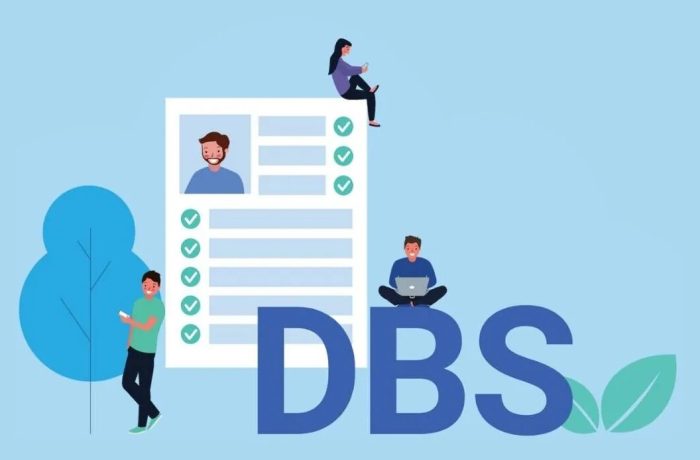

In today’s professional environment, building trust and maintaining a safe working environment are essential for businesses of all sizes. Whether an organisation is recruiting permanent employees, hiring contractors, or an independent professional is working directly with clients, background screening can play an important role in responsible decision-making. DBS checks for organisations and self-employed professionals help employers and eligible individuals assess criminal record information when recruiting for appropriate roles.
Understanding how DBS checks work, who needs them, and when they are appropriate can help businesses meet their responsibilities while protecting employees, clients, and the wider community.
What Are DBS Checks?
A Disclosure and Barring Service (DBS) check is a background check used in England and Wales to help employers make informed recruitment decisions. It provides information about an individual’s criminal record, depending on the level of check requested and the applicable eligibility requirements.
There are different levels of DBS checks, including Basic, Standard, and Enhanced checks. A Basic DBS check shows unspent convictions and conditional cautions. Standard checks can include spent and unspent convictions, cautions, reprimands, and warnings, subject to the applicable rules. Enhanced checks can include additional relevant information held by the police, while certain eligible roles may also require a check of the relevant barred lists.
The appropriate level depends on the responsibilities of the role and the legal eligibility criteria. Employers should select checks based on the position rather than requesting the highest level automatically.
DBS Checks on Employees
For organisations recruiting new employees, DBS checks can form part of a wider recruitment and safeguarding process. They are particularly relevant for eligible positions involving children, vulnerable adults, healthcare, education, and other regulated activities.
Conducting appropriate DBS checks can help employers evaluate potential safeguarding risks before making recruitment decisions. However, a DBS certificate should not be the sole factor in assessing a candidate. Qualifications, references, employment history, and suitability for the role should also be considered.
Employers should handle personal information responsibly, follow applicable data protection requirements, and ensure that recruitment decisions are fair and proportionate.
DBS Checks for Contracted Staff
Businesses often work with contractors, freelancers, agency workers, and other third-party professionals. Although these individuals may not be directly employed by the organisation, they can still have access to sensitive information, workplaces, clients, or vulnerable people.
Depending on the nature of their duties, a DBS check may be appropriate or legally required. Organisations should establish clear screening requirements before engaging contracted staff and confirm who is responsible for arranging the necessary checks.
For roles involving regulated activity, employers and relevant organisations must pay particular attention to safeguarding obligations and the eligibility requirements for Enhanced DBS checks and barred list checks.
A consistent screening process can help organisations manage risk, maintain professional standards, and demonstrate their commitment to protecting the people they serve.
DBS Checks for Self-Employed Professionals
Self-employed professionals may also need DBS checks to demonstrate their suitability for particular assignments or client-facing responsibilities. Tutors, carers, consultants, and other independent professionals may encounter situations where clients or organisations request evidence of appropriate background screening.
The process depends on the individual’s circumstances and the type of work involved. A self-employed person can apply for a Basic DBS check directly. However, Standard and Enhanced checks are restricted to eligible roles and generally require an application through an appropriate organisation or registered route.
Choosing the Right DBS Check
Organisations should identify the responsibilities associated with each position, establish the applicable eligibility criteria, and choose the appropriate level of screening.
Self-employed professionals should also confirm which checks are available for their circumstances before starting an application. Taking these steps helps avoid unnecessary applications, delays, and inappropriate requests for sensitive personal information.
Get Started with Clear Check
Whether you are recruiting employees, engaging contracted staff, or working independently, the right background screening process can support safer recruitment and professional confidence.
Clear Check provides information and services to help individuals and organisations navigate the DBS checking process. Visit clearcheck.co.uk to explore the available services and find out more about DBS checks for your organisation or professional needs.