
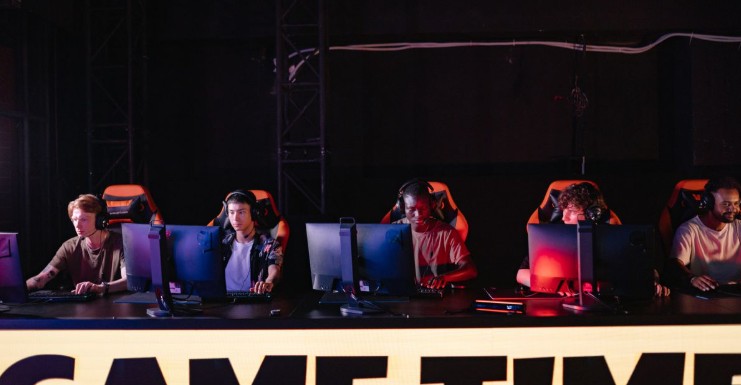
What makes online gaming feel meaningful long after the screen goes dark? For many people, the answer is not the graphics, the score, or the competition. It is the human moments hidden inside the play, from quick words of support to long friendships that start with a match and grow into something real.
Online games work because they create shared situations. People solve problems together, react under pressure, and learn each other’s habits in small, repeated moments. A good match can feel like a tiny social story, with tension, timing, mistakes, and trust all packed into a few minutes.
That is why conversations around gaming often circle back to memory. Players remember the teammate who stayed calm, the stranger who offered help, or the group that kept laughing after a bad loss. If you want a simple example of how game communities form around shared routines, a website can be a starting point for seeing how people organize around play, chat, and repeated visits.
Why Players Keep Coming Back
The strongest pull is often social, not technical. People return because someone expects them, and that expectation creates structure. A nightly match can become part of a routine, much like meeting friends for coffee or playing cards at the same table.
Small Interactions Matter
Short messages matter more than many people think. A simple “good try” after a loss can change the tone of an entire session. These little exchanges build trust, and trust makes future matches feel more relaxed and more personal.
Shared Pressure Builds Bonds
When a team faces pressure together, people reveal how they handle stress. Some stay calm and give clear directions. Others make jokes to keep morale up. Those habits become part of each person’s identity in the group, and that is often what keeps the group stable over time.
Stories That Stick With Players
Memories from online play often come from human behavior, not rare achievements. People remember the first time a stranger helped them learn a map, or the time a longtime friend returned after months away. These moments carry emotional weight because they are tied to real people.
Respect Turns Play Into Memory
Respect matters because it changes how competition feels. A hard match can still end on a positive note if players treat each other fairly. That kind of behavior makes the experience less about winning alone and more about shared effort.
Friendship Can Start In One Match
Some of the strongest friendships begin with simple cooperation. Two players who solve a problem together may keep talking afterward, then meet again later, and then keep building the connection. If you are curious about how online groups keep growing through repeat visits, you can visit here and see how recurring interaction supports community habits.
Why Meaning Lasts Beyond The Session
What stays with players is not only what happened during the match, but what it said about the people involved. Online gaming gives people a place to show patience, humor, leadership, and kindness under pressure. That is why it can feel so memorable without needing anything flashy.
In the end, the meaning comes from the people who fill the time. The game sets the stage, but the human stories give it weight. Every shared win, quiet loss, and unexpected act of support adds another layer to why people keep returning.