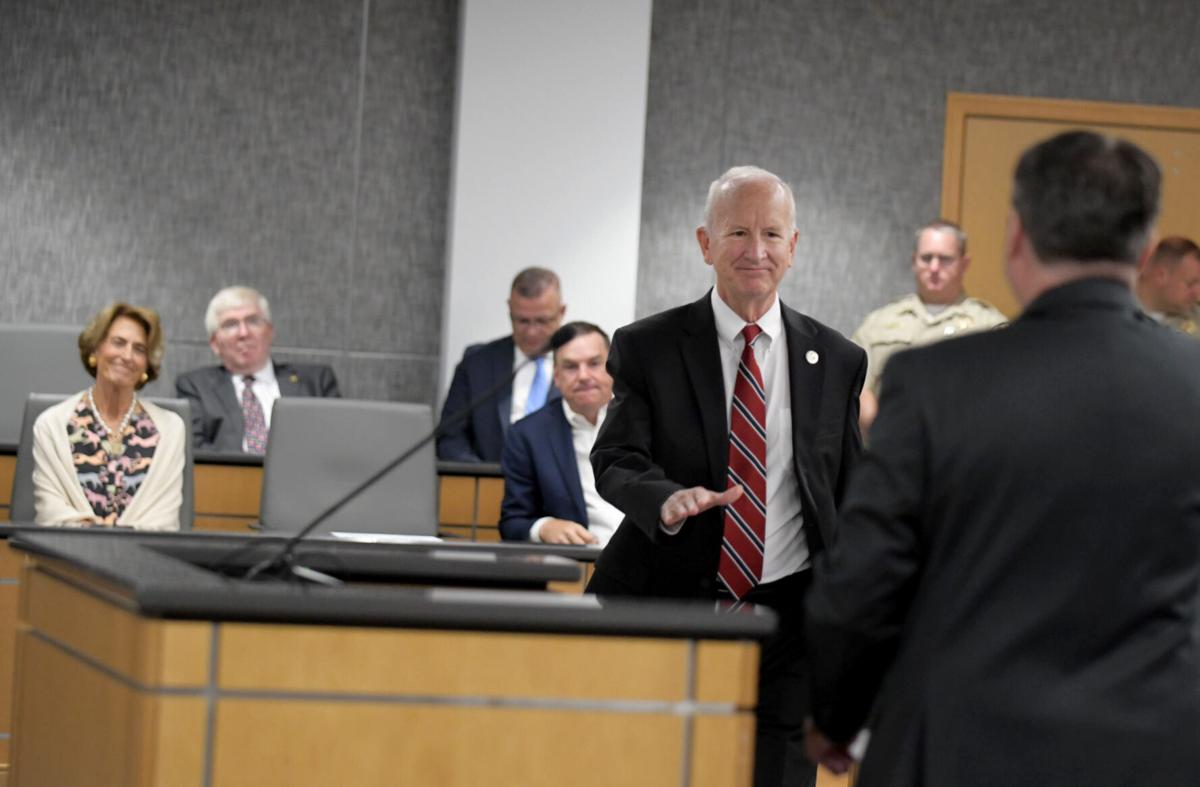
Often, veterans come home with more than just memories of their time in duty. Some are dealing with stress, trauma, housing troubles, job loss or substance use concerns. The route forward can feel overwhelming when these issues escalate to legal trouble. That’s where the Kansas City Veterans Court comes in. Veterans Court is one of a handful of courts in the Kansas City Specialty Courts program, which allows justice-involved veterans to address the root reasons of their legal problems with the help of persons who understand military life. The mission is simple: To help veterans create secure, productive lives and make communities safer.
Beyond a Court Program
On the surface, Veterans Court could look like any other court proceeding. It is not. The approach is not only about punishment, but treatment, accountability and support. Think of it like fixing the foundation of a home, not painting over cracks. Naturally the legal question is important. But the court also looks at what produced the problem in the first place. Many veterans entering the program have:
- Adjustment problems after service
- Substance abuse disorders
- Psychiatric problems
- Unstable housing
- Worries about money
- Trouble securing secure work
Addressing such concerns gives participants options that can help reduce future involvement with the legal system.
There are a number of reasons why veterans require specialized support.
Military service means dealing with experiences that most civilians never get to face. Some veterans return home wounded physically. Others have hidden wounds that impact their everyday lives. A missed appointment, job loss or family turmoil can cascade into worse problems. Legal troubles may be in the offing.” Veterans Court knows that military culture matters. Participants work with professionals and mentors who are familiar with military ideals such as duty, discipline and service. That common understanding typically accelerates trust. But here’s the thing: people are more inclined to engage in treatment when they feel understood.
Core Support Programs Provided
Veterans Court links participants to a network of services that can help them achieve long-term success.
Mental Health Counseling
Many veterans experience anxiety, sadness, trauma associated disorders or adjustment problems following duty. A mental health counselor can help you create a safe space to work through these problems. Treatment regimens are adapted to the needs of each individual. Some are treated individually, others in groups, or special therapy programs.
Substance Abuse Treatment
Alcohol and drug problems can happen to anyone. Veterans are not any different. Veterans Court also commonly connects participants with treatment providers that provide assessments, outpatient programs, recovery support, and relapse prevention services. Participants keep on track with close progress monitoring. Recovery is not often a straight line. The program acknowledges setbacks can occur, but nonetheless holds itself accountable.
Mentor Programs for Veterans
One of the most unusual aspects of Veterans Court is the mentor system. Veteran mentors volunteer as advisers and role models. “They’ve been on roads like this, and they’ve lived military culture.” Sometimes just talking to another vet can make all the difference. A mentor helps a person stay on track, get to appointments and work through difficult situations. That relationship to a peer is worth something.
Housing Stability & Assistance
Stable housing assists with practically every aspect of recovery. Without a safe place to live, it’s exceedingly challenging to keep a job, get to treatment, or satisfy legal commitments. Veterans Court connects with the community and veteran resources to assist participants in obtaining housing when necessary. Someone who knows where they will sleep tonight can focus on tomorrow. That sounds easy, yet it affects everything.
Employment and Education Resources
Veterans bring many abilities to the table that they’ve learned in the military. The trick is to turn those skills into civilian professions. Veterans Court participants may get assistance with:
- Job searches
- Resume Writing
- Interviewing Skills
- Training the work force
- Opportunities in education
- Career planning
A job is about more than the money you earn. It provides routine, purpose and confidence. Those elements frequently lead to long-term success after program completion.
Accountability remains the key
Support does not mean not being responsible. Participants are required to comply with court requirements, participate in therapy sessions, attend court, and adhere to program guidelines. Progress is monitored routinely. That’s a crucial balance. Compassion and accountability go together. The team in court celebrates milestones and achievements. Participants are also required to remain devoted to their rehabilitation and self-improvement.
Building Better Communities
Veterans Court benefits more than the participants. Families have less stress when loved ones are supported and treated. Employers have personnel who are focused on repairing their future. Communities experience less recidivism and better public safety. The ripple effect can be tremendous. When veterans win, everyone around them wins.
Beyond the Bench The Role of the
Beyond the Bench KC raises awareness to Kansas City Specialty Courts’ including Veterans Court’s goal. The organization encourages public awareness of how treatment-focused court programs provide genuine opportunity for reform. Their activity reminds us of something important: justice is not merely a reaction to a breach of the law. It’s about helping people overcome the impediments that helped that violation happen. For veterans facing legal issues, treatment, mentorship and community assistance can set a course for permanent stability.
Future Outlook
Veterans Court provides justice-involved veterans the opportunity to go ahead with structure, advice and assistance. Veterans are provided with mental health services, treatment for substance use, housing aid, employment options, and veteran mentorship, which provide practical tools for long-term success. The road is not always smooth. But with the correct support structure, substantial change is within reach. That’s the core of Kansas City Veterans Court and the broader objective of Kansas City Specialty Courts.
Frequently Asked Questions (FAQ)
1. What is the Veterans Court of Kansas City?
Kansas City Veterans Court is a specialty court program established for qualifying veterans participating in the criminal justice system. It’s a combination of court supervision, treatment programs and veteran-focused support to help address the underlying difficulties and prevent repeat offenses.
2. Who qualifies for Veterans Court?
Eligibility is determined by numerous variables including military service history, the nature of the offense and approval of the court. Each case is assessed individually to determine if the program is appropriate.
3. What services are offered by Veterans Court?
They get mental health therapy, treatment for substance abuse, help finding a place to live, assistance with getting a job, educational resources, and mentorship from fellow veterans.
4. How do veteran mentors benefit the participants?
Experienced mentors offer encouragement, accountability and practical help. Because they have military experiences in common, they tend to trust each other quickly and help to keep participants involved in the program.
5. How is Veterans Court different from regular court?
The main interest of traditional courts is the legal result. Veterans Court tackles the legal issue and the circumstances behind it such as mental health issues, substance use or housing instability, while preserving accountability through court supervision.