
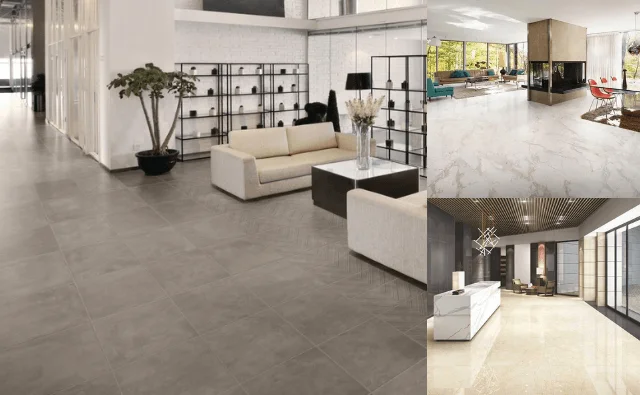
Choosing the right flooring for high-traffic areas is a crucial decision in home improvement and interior design. Durability, maintenance, and aesthetic appeal are important factors to consider. Among the popular choices are concrete and ceramic tiles, both known for their unique benefits and challenges. This article will delve into the durability of these two types of tiles, examining which option is more suitable for high-traffic areas. We will also explore the key factors influencing their performance and provide best practices for selecting the most durable flooring for your needs.
Concrete Tile vs Ceramic Tile: An Overview of Durability
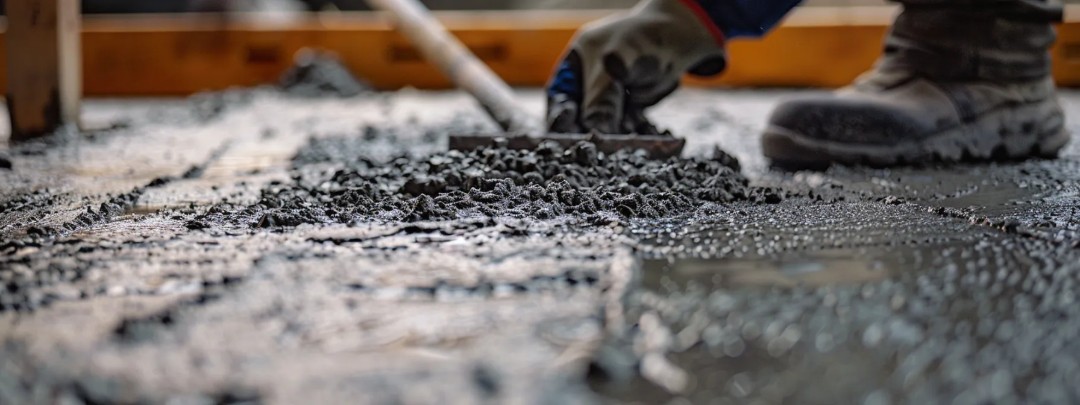
Concrete Tiles are known for their robust nature, often used in both indoor and outdoor settings. These tiles are made from a mixture of sand, water, and cement, which is highly resilient to wear and tear. Concrete Tile have been recognized for their contribution to sustainable design, often earning LEED Certification points due to their longevity and eco-friendly production processes.
On the other hand, ceramic tiles are crafted from clay and glazed for additional protection. Although ceramic tiles are generally durable, they can be more susceptible to chipping if not properly maintained. The key to their durability lies in the quality of the glazing process and the type of clay used, which varies significantly across manufacturers.
Both concrete and ceramic tiles have their strengths, but understanding their intrinsic properties can help in making an informed decision for high-traffic areas.
Key Factors Influencing Durability in High-Traffic Areas
Durability in high-traffic areas is influenced by several factors, including the tile’s hardness, the quality of installation, and the maintenance routine employed. The hardness of a tile is often measured using the PEI (Porcelain Enamel Institute) rating. Higher ratings indicate better resistance to wear, essential for areas with heavy footfall.
Furthermore, the installation process plays a significant role in durability. A precise installation, often planned with detailed schematic designs and site plans, ensures the tiles can withstand the pressures of high-traffic environments. Poor installation can lead to issues such as cracking and uneven surfaces.
Regular maintenance, including cleaning with appropriate solutions, also contributes to the longevity of both concrete and ceramic tiles. Neglecting maintenance can lead to premature wear and reduced durability, making it vital to adhere to the specifications outlined in a detailed spec book provided by the manufacturer or designer.
Comparative Analysis: Concrete Tile vs Ceramic Tile Performance
Concrete Tiles are renowned for their exceptional durability and ability to withstand heavy loads without showing signs of wear. This makes them ideal for commercial spaces and high-traffic residential areas. According to industry analysis, Concrete Tiles can last decades with minimal maintenance, further enhancing their appeal for long-term projects.
In contrast, ceramic tiles, while durable, may not have the same longevity in extremely high-traffic areas. However, they offer a wide range of design options and color renderings, making them a popular choice for those looking to balance aesthetics with functionality. Ceramic tiles are often featured in mood boards due to their versatility in design intent.
For those prioritizing durability in high-traffic areas, Concrete Tiles are often the preferred choice. The Concrete Tile collection offers a broad range of options that combine strength with visual appeal, making them a practical solution for demanding environments.
Best Practices for Choosing Durable Flooring for Busy Spaces
When selecting durable flooring for busy spaces, it’s essential to consider both the functional and aesthetic aspects. Concrete Tiles offer superior durability, making them an excellent choice for areas like hallways and entryways. Prioritizing materials that contribute to a cohesive design intent, as outlined in a site plan, can enhance both the visual and functional aspects of the space.
Additionally, ensuring that the chosen tiles align with the overall space planning and design intent is crucial. Consulting with professionals who specialize in FF&E (Furniture, Fixtures & Equipment) can provide insights into how different tile choices will perform in specific environments.
Finally, incorporating elements like acoustical treatment in the design can enhance the overall ambiance while maintaining the durability of the flooring. This holistic approach ensures that the chosen tiles meet both aesthetic and practical needs.
Conclusion

Concrete Tiles often outperform ceramic tiles in terms of durability for high-traffic areas, offering long-lasting performance and minimal maintenance. By considering factors like installation quality, maintenance, and design compatibility, you can choose the best flooring option for your space. For those seeking a durable and stylish solution, the Concrete Tile collection remains an outstanding choice.