Moving expensive equipment, precision electronics, or delicate machinery across long distances is always a nerve-wracking process. You can spend months engineering high-end components or thousands of dollars sourcing precision parts, only to watch them arrive at their destination scratched, bent, or completely non-functional.
Most transit damage doesn’t actually happen while driving down the highway; it happens during the initial load-in on the warehouse dock. Poor weight distribution, improper tie-downs, and inadequate protective wrapping create subtle vulnerabilities that turn normal road vibrations into destructive forces.
Avoiding these five common loading pitfalls keeps sensitive cargo safe during transit and prevents costly operational delays.
Placing delicate components directly onto hard wooden pallets or unpadded trailer floors is a recipe for disaster. Constant highway hum and engine vibrations transfer straight through rigid materials, loosening internal fasteners, cracking solder joints, and misaligning sensitive optical sensors. Using high-density foam blocks, rubber vibration dampeners, and custom wooden crating absorbs shock loads before they hit fragile internal assemblies.
2. Failing to Plan for Unexpected Equipment Repair Expenses
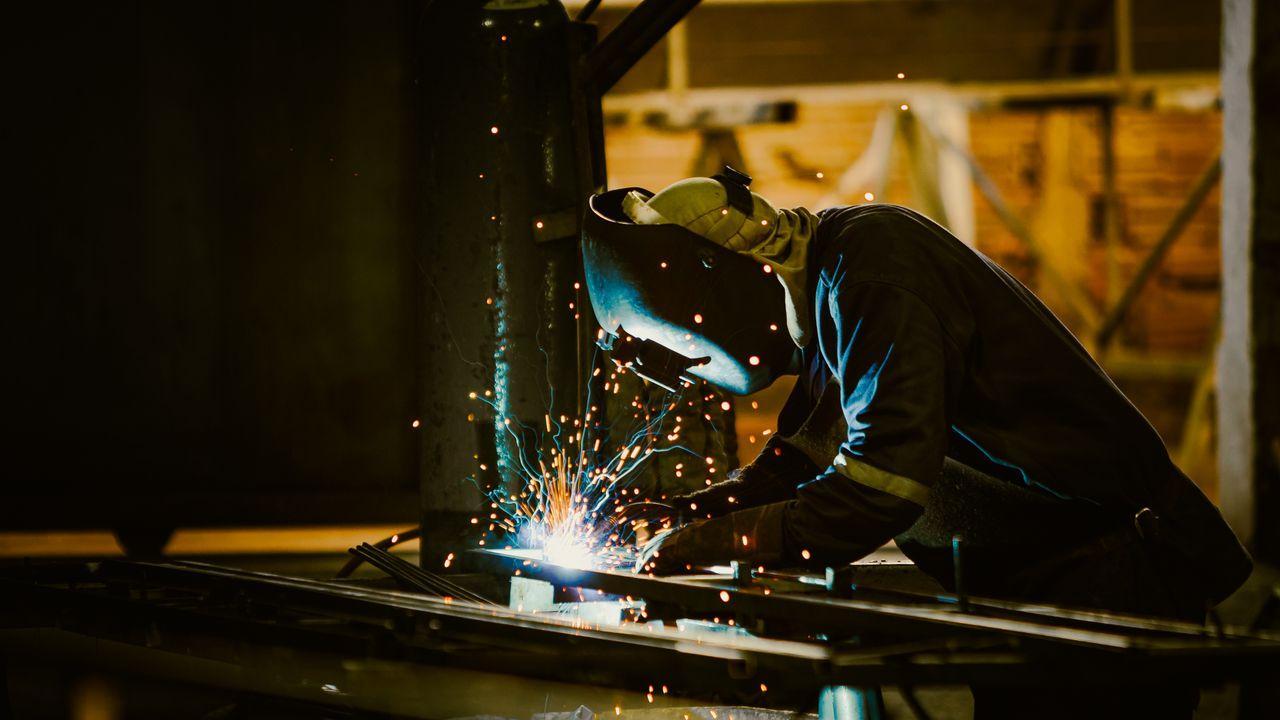
When loading mishaps do occur or delicate machinery sustains damage on the dock, repairing or replacing key components fast is critical to maintaining project deadlines. Unexpected transit mishaps can suddenly strain working capital and throw off cash flow. Securing fast, hassle-free online financial support through accessible platforms like Lamina helps businesses manage unexpected equipment repairs or emergency replacement costs without draining primary operational reserves or stalling ongoing projects.
3. Misjudging Weight Distribution Across Trailer Axles
Stacking heavy crates on one side of a trailer or concentrating all the weight over a single axle creates severe stability issues during transport. Uneven loads cause trailers to sway violently in high winds and subject cargo to extreme lateral G-forces during sharp turns. Distributing weight evenly across the entire floor deck keeps the transport vehicle stable and prevents heavy crates from shifting into delicate neighboring boxes.
4. Over-Tightening Structural Tie-Downs and Straps
Securing cargo is non-negotiable, but cranking ratchet straps down with maximum force can be just as destructive as leaving things loose. Over-tightening web straps across thin metal casings or plastic housings cracks outer frames and warps precision-machined alignments. Using corner protectors, load bars, and padded strap guards distributes clamping pressure safely across structural load points rather than delicate surface panels.
5. Attempting Complex Moves Without Specialized Long-Distance Transport
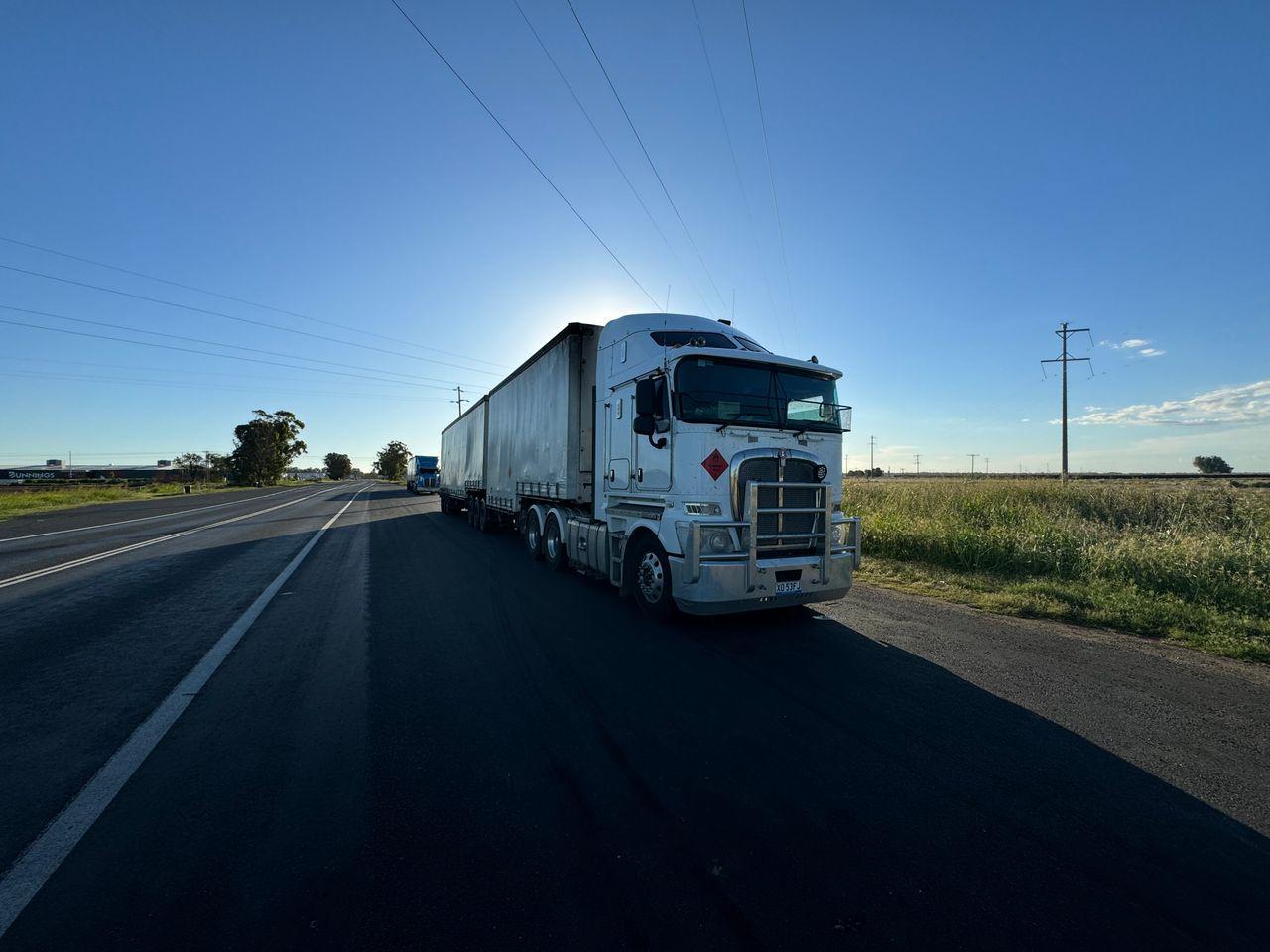
Handling heavy, high-value freight using standard local utility vans or inexperienced crews often leads to dropped crates, inadequate ramp setups, and improper tie-downs. Complex long-distance hauls require specialized logistics equipment, air-ride suspension trailers, and experienced handlers who understand delicate cargo care. Partnering with seasoned specialists like Toronto Long-Distance Movers ensures your high-value assets and sensitive shipments are handled with professional packing, custom crating, and climate-controlled transport tailored for long hauls.
Taking the time to audit your dock loading procedures protects fragile equipment, saves thousands in replacement fees, and guarantees your components land ready for immediate work.