A first dental appointment is an opportunity to understand your oral health, ask questions and decide what, if anything, needs attention next. It does not always follow the same script. The visit may be brief if you have a specific concern, or more wide-ranging if you are establishing care with a new practice. Knowing what might come up can make it easier to prepare, especially if you have not seen a dentist for some time. In Double Bay, as elsewhere in Australia, it is reasonable to ask what is included when you book rather than assume every first appointment covers the same services.
Tell the practice whether you want a check-up or have a particular concern, such as a chipped tooth, discomfort or bleeding gums. That helps reception allow time for the right type of appointment. The Double Bay Dentist map listing can help you plan your journey. Confirm appointment details, accessibility and fees with the practice directly.
You may be asked to complete a medical history form. Bring a list of medicines and relevant health conditions, and mention allergies, previous dental treatment or a strong gag reflex. If you have recent dental X-rays, ask whether the practice would like copies. You can also check whether a clean is included, whether separate appointments may be needed, and what payment options are available. These questions are particularly useful if you are travelling into Double Bay around work or other commitments.
The conversation at the start
A dentist will usually ask why you have come in and what you hope to get from the visit. This is a good time to describe symptoms in your own words: where they occur, when they started, whether they come and go, and what makes them better or worse. You do not need to diagnose the problem yourself.
The conversation may also cover brushing and flossing habits, diet, tobacco or vaping, and whether you grind your teeth. These questions are meant to provide context, not a test you need to pass. If cost, dental anxiety, limited time or a past experience affects your choices, say so early. You can ask the clinician to explain each step before it happens or to pause during an examination. Clear communication can help you understand your options and participate in decisions about care.
What an examination may include
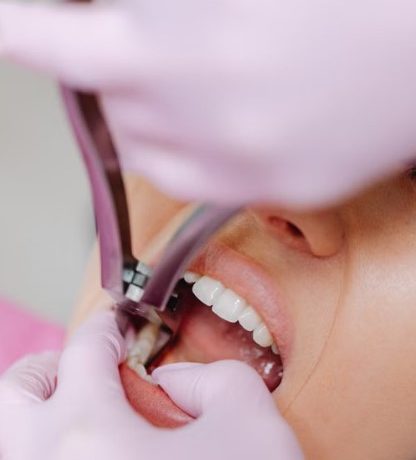
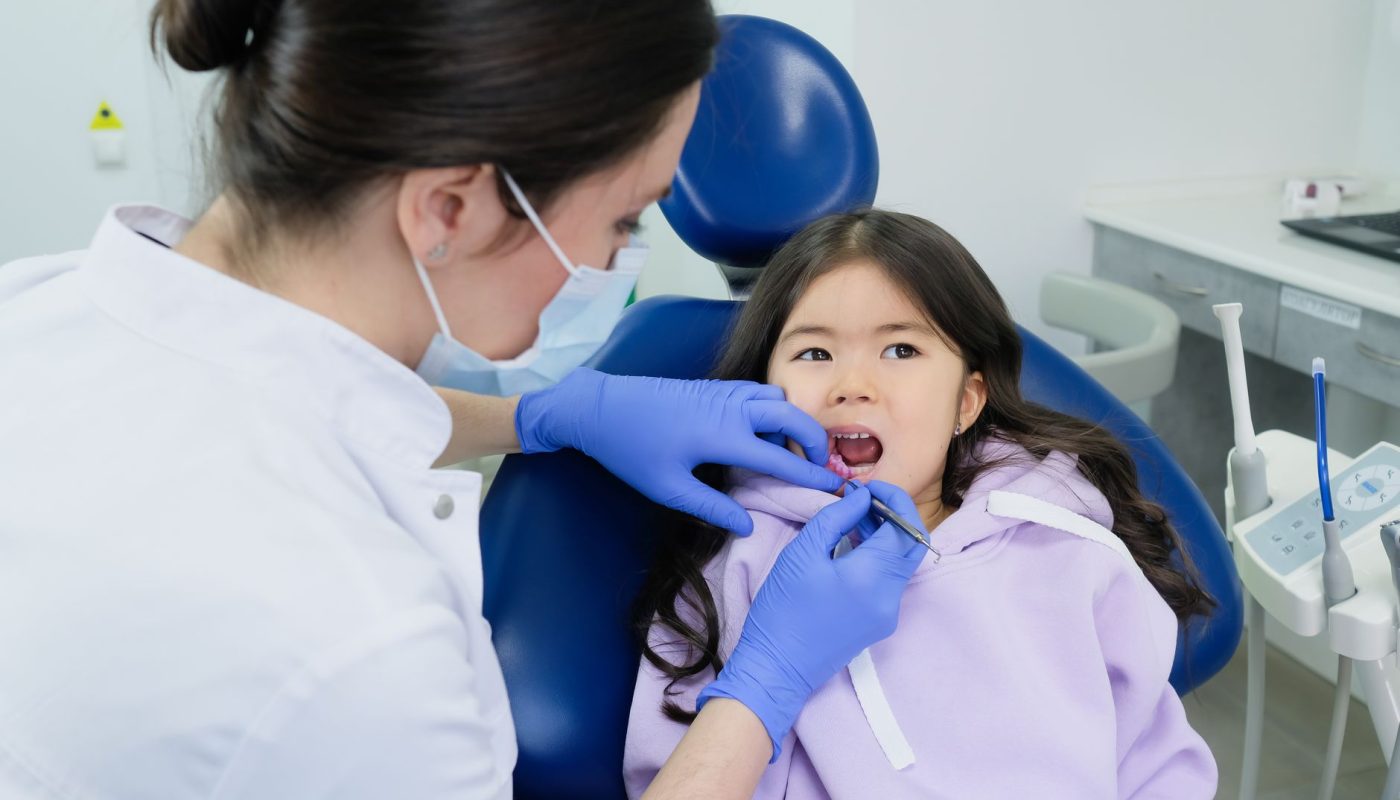
During a general examination, the dentist may look at your teeth, existing fillings, gums, bite and soft tissues inside the mouth. They might check for signs of decay, wear, inflammation or other changes that warrant closer attention. Depending on your history and symptoms, they may also examine areas around the jaw and neck. What they find on the day helps determine whether any further assessment is appropriate.
A clean is not automatically part of every first visit. Some practices schedule one alongside a check-up; others recommend it later, particularly if more time is needed or a specific concern takes priority. If you expected a scale and clean, clarify this when booking or before the appointment begins. Likewise, tell the dentist if a tooth feels sensitive during the examination. You can ask them to stop and explain what they are checking.
X-rays and other checks
Dental X-rays can show details that are difficult to assess by looking in the mouth alone, but they are not necessarily taken at every first appointment. The decision may depend on symptoms, examination findings, available previous images and the dentist’s clinical judgement. If X-rays are suggested, ask what question they are intended to answer and whether earlier images would be useful.
Other checks may be relevant for a particular concern. For example, the dentist might assess gum health more closely if there is bleeding, or examine how the teeth meet if you report jaw discomfort. A first appointment can also identify the need for a follow-up visit rather than resolve every issue immediately. If you are pregnant, have a significant medical condition or have concerns about a proposed test, tell the clinician so they can discuss what is appropriate for you.
Understanding the next steps
At the end, you should have a chance to hear what the dentist observed and ask what it means. Findings may range from no immediate treatment needs to a recommendation for monitoring, preventive care or further treatment. If several issues are identified, ask which are more time-sensitive and which could be considered later. A treatment recommendation should come with an explanation of its purpose and reasonable alternatives, including what might happen if you defer it.
Before agreeing to work, ask about likely costs, the number of visits and any uncertainties that could change the plan. If you have private health insurance, the practice may be able to provide item numbers or an estimate, but your fund determines your benefits and out-of-pocket costs. You can request a written plan for more involved treatment and take time to consider it. If the explanation is unclear, it is appropriate to ask for simpler language or another discussion before deciding.
Making the appointment work for you
- Prioritise your questions. Note the main concern you want addressed, especially if your appointment time is limited.
- Be specific about pain. Mention swelling, fever, injury or difficulty swallowing when booking so the practice can advise on suitable timing. Seek urgent medical help for severe symptoms or breathing difficulty.
- Check practical details. Confirm the appointment length, estimated fee and whether any requested records have arrived.
A first visit does not have to answer every question in one sitting. Its value is in establishing a clear picture of your concerns, what has been checked and what choices come next. Before leaving, make sure you know whether a follow-up is recommended, what it is for and whom to contact if symptoms change. That way, the appointment can serve as a useful starting point for care that fits your needs.