The walk to the doodhwala takes a minute or two longer once you’re past 60, and the second roti quietly drops off the plate. It happens to pretty much everyone. Some of it is just the years adding up, but a fair amount can be slowed down with food and a few changes to the day. Those come first here, followed by the check-ups and health cover that matter more after 60.
Why Does Your Plate Need to Change After 60?
Because your body burns fewer calories now but needs just as much protein, and in the case of calcium and vitamin D, often more. Some of that calorie drop comes from losing muscle. Doctors call it sarcopenia, and if getting off a low sofa now needs a hand on the armrest, that’s often what’s going on.
So how much protein is that? Roughly a gram for every kilo you weigh, less if your kidneys are a concern. An egg covers about 6 of those grams, and 100 grams of paneer cram in nearly 18.
What tends to work is slipping a little extra into the same old meals:
· Poha in the morning? Have some curd or a boiled egg with it.
· On toast days, try a besan chilla for a change.
· Toss sprouts into the lunchtime sabzi.
· Keep roasted chana where you make chai, so the evening biscuits get some competition.
What Do Older Indians Tend to Run Low On?
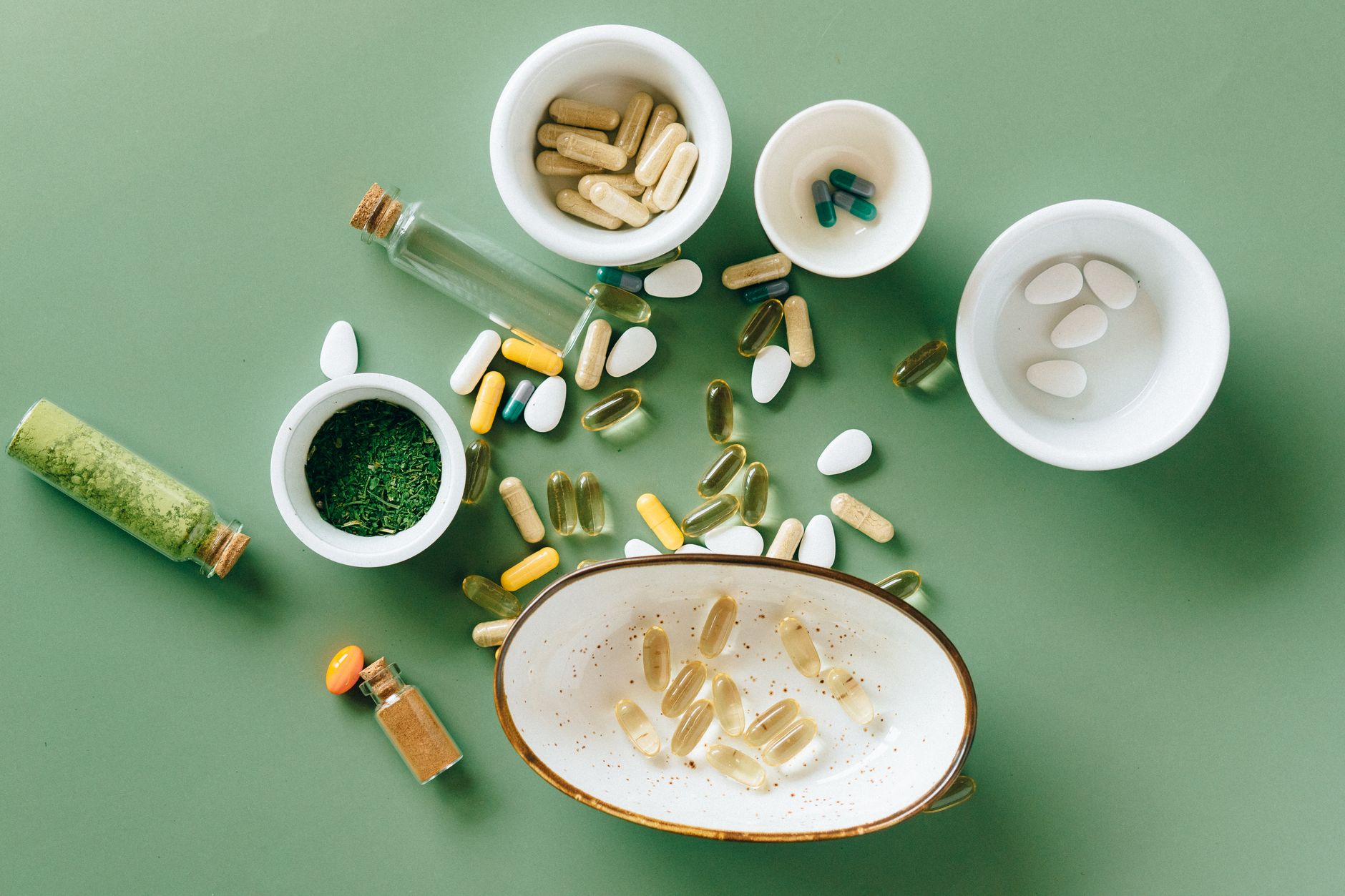
Vitamin D and B12 keep turning up low on blood reports after 60, with calcium not far behind:
· Plenty of Indians are low on vitamin D, despite all the sunshine. Your skin makes most of it from the stronger sun near noon, and only a blood test tells you your number.
· For calcium, think milk, curd, paneer, ragi and til. Palak’s a letdown here, since oxalates lock most of its calcium away.
· Vegetarians tend to run short of B12, because apart from dairy, most of it comes from eggs, fish and meat. Years on metformin, the diabetes medicine, can pull it down too.
· Thirst doesn’t nag the way it used to, so check your urine colour. Pale yellow is what you want.
What Should You Go Easy On?
Salt and sugar, mostly. A teaspoon of salt for the whole day is roughly the limit, and that counts what’s already in your food.
Trouble is, achaar, papad, namkeen and restaurant gravies can use up a good chunk of it before you’ve touched the salt shaker, and black salt and chaat masala are salt too. Sugar mostly hides in the chai. Cutting half a spoon every couple of weeks is a pace most people can live with. The odd samosa is allowed, though not one fried in kadhai oil that’s been through a dozen batches.
How Much Exercise, Then, Once You’re Past 60?
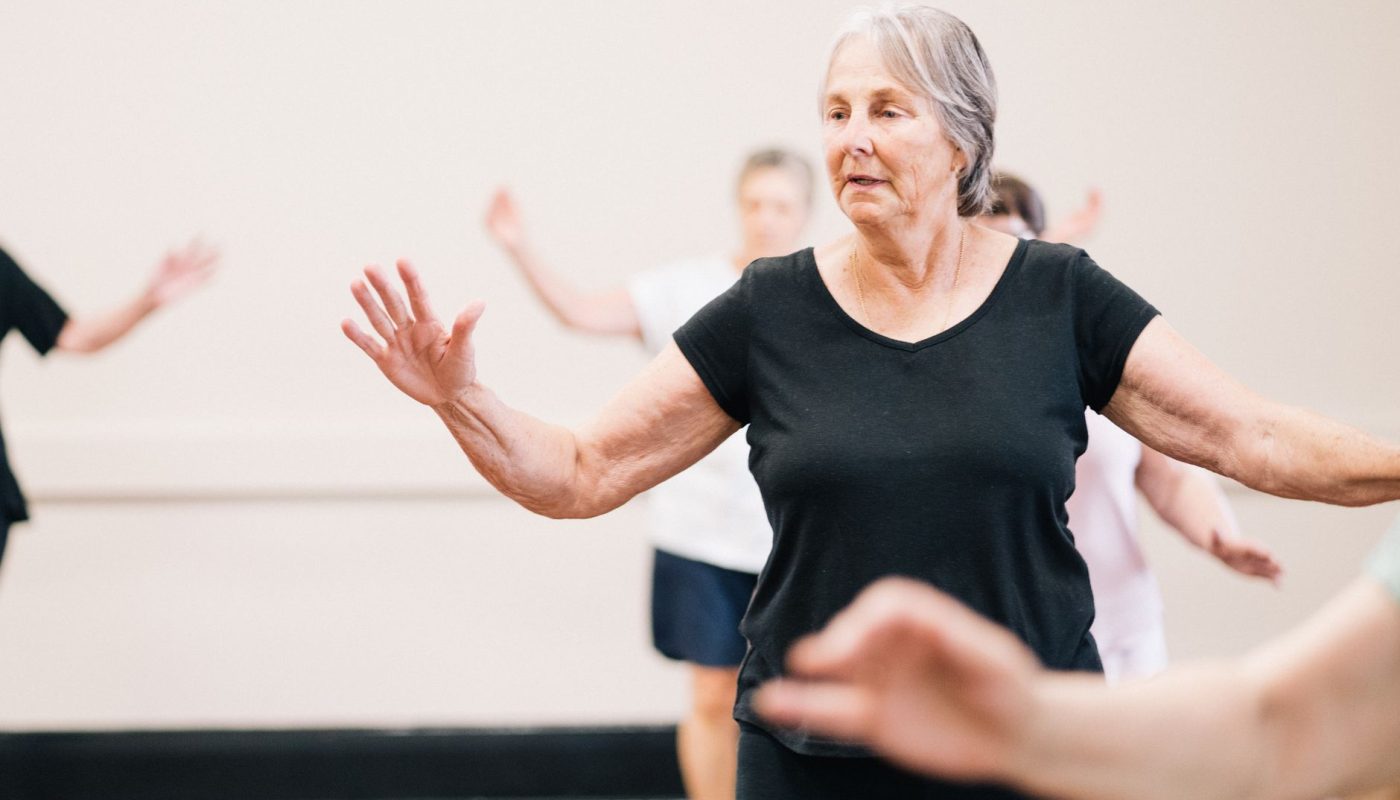
More than most people manage. With your doctor’s okay, something in the region of 150 minutes a week of activity that leaves you slightly breathless is the usual target. Walking’s the easy bit. The rest gets skipped, so here’s the full list:
· A brisk walk. Talking should be fine, singing along to the radio less so.
· Chair squats. Sit, stand, sit, without using your hands, maybe ten times.
· Push-ups, but against a wall.
· Brushing your teeth on one leg, morning and night. Hold the basin at first.
Physiotherapists have a quick leg test. It’s five chair stands, arms folded. Struggling? Then say so at your next check-up, because legs that weak make a fall likelier.
Can Poor Sleep or Too Much Time Alone Affect Your Health?
Yes. Short nights tend to show up on the BP machine, and lonely days seem to dull memory. If you snore loudly and nod off over the afternoon newspaper, it could be sleep apnoea, a treatable condition where breathing keeps pausing through the night. Hearing matters too, oddly, since people who miss half the dinner-table talk drift out of it.
Why Get Checked When Nothing Hurts?
Because a lot of what goes wrong at this age doesn’t hurt, at least not early on. Sugar and BP can sit high for years until an eye or kidney report gives them away. Yearly blood work (fasting sugar or HbA1c, cholesterol, kidney function) and an eye exam catch these much sooner. Your doctor may add a cancer screening or two, going by age and family history.
Before paying a lab, look through your health insurance plan, since some plans include a preventive health check-up. Terms and conditions apply. The tests on offer, and how often you can take them, change from plan to plan.
What Should You Check in Health Insurance for Senior Citizens?
Two things matter most. One is how the plan treats illnesses you already have, and the other is whether it has a co-payment, meaning a share of each claim you pay yourself. Plans sold as health insurance for senior citizens usually accept people from around 60, though entry ages vary by insurer.
Say your plan has a 20% co-payment, a rate that differs between plans, and an approved bill comes to ₹2 lakh. The insurer covers ₹1.6 lakh, and the ₹40,000 balance lands on you. Terms and conditions apply. The co-payment clause in your policy wording is the one to read slowly, before you buy.
Then there’s the waiting period. Anything you already have, diabetes for instance, is usually covered only after that period ends, so buying in your 40s or 50s and renewing on time can mean it’s over by 60.
So Where Do You Start?
Protein at breakfast and a little midday sun are the cheapest changes on this list. Strength work and a salt limit of about a teaspoon matter nearly as much. For what habits can’t prevent, there’s the yearly check-up and a health insurance plan that fits your age.
A sensible first step is pulling out your last blood report. If vitamin D and B12 weren’t tested, your next check-up is a good time to ask.