
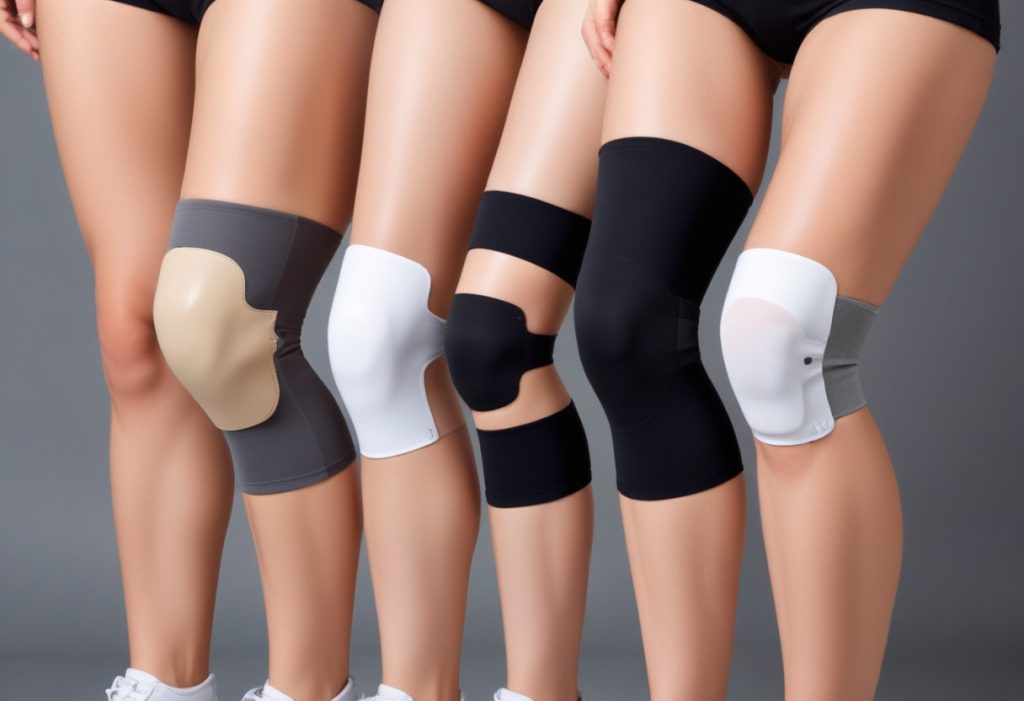
Knee cap compression therapy has become an increasingly important intervention in various fields. It includes sports medicine, orthopedics, rehab and even preventive healthcare. Compression sleeves and knee braces for men and women are widely used for various conditions. These are patellofemoral pain syndrome, osteoarthritis, ligament instability, post-surgical rehab as well as athletic recovery.
The total effectiveness of knee compression primarily depends on the level of pressure applied to the joints which is commonly measured in millimeters of mercury (mmHg). Different compression levels produce different types of effects. This puts physiological and neuromuscular effects on the knee joint.
According to Research Sage Journal, it suggests that compression intensity significantly affects both physiological outcomes and patient comfort. Studies comparing 18–21 mmHg vs 23–32 mmHg compression found lower-pressure garments to be more comfortable. They still maintain therapeutic efficacy for the management of edema.
Compression sleeves for knee pain relief have emerged as a non-invasive strategy in an effective manner to manage knee pain as well as improve function. Knee compression sleeves are elastic orthopedic devices. These are expertly designed to apply controlled pressure around the patellar region as well as surrounding soft tissues. Their primary functions include improving circulation, stabilizing the joint, enhancing proprioception, reducing swelling as well as decreasing pain perception.
This guide focuses on the science behind knee cap compression levels, their biomechanical mechanisms, classifications and effectiveness.
Effects of Different Compression Levels
The knee joint is one of the most mechanically stressed joints in the human body. It supports body weight and absorbs shock. It also helps enable movement during activities such as walking, running, squatting as well as jumping. The patella plays a very important central role in improving quadriceps efficiency and protecting the anterior knee structures. Because of the repetitive loading, trauma, aging, obesity and athletic activity, the knee is highly prone to injury and degenerative conditions.
Different manufacturers offer compression sleeves with varying pressure intensities. While patients frequently choose compression products without really understanding therapeutic pressure classifications. Understanding different types of knee compression levels is very essential.
Mild Compression (8–15 mmHg)
Mild compression is commonly used for preventive care as well as daily comfort. It is ideal for mild knee discomfort, long-duration standing, sedentary office work and early fatigue management. Mild compression is often preferred by elderly users or individuals who are generally advised to wear it for a long time due to medical conditions.
Benefits are as follows:
- Improved circulation
- Light support
- Better comfort
- Minimal movement restriction
Moderate Compression (15–20 mmHg)
Moderate compression is a commonly recommended level for sports as well as rehabilitation. It is ideal for running, gym workouts, minor swelling, recovery support and early-stage arthritis
Benefits are as follows:
- Improved proprioception
- Better circulation
- Reduced fatigue
- Enhanced recovery
Medical Grade Compression (20–30 mmHg)
This level is often prescribed for clinical orthopedic and vascular conditions. It is ideal for osteoarthritis, patellar instability, chronic swelling and post-operative recovery.
Benefits are as follows:
- Stronger stabilization
- Swelling reduction
- Pain management
- Increased joint confidence
High Compression (30–40 mmHg)
High compression is generally reserved for specialized medical indications. It is ideal for severe edema, advanced venous insufficiency and complex post-surgical rehabilitation. Higher compression levels should only be used under medical supervision.
Benefits are as follows:
- Improved comfort
- Better movement and stability
- Proper blood circulation
Benefits of Compression Knee Sleeves
1. Enhanced Proprioception
The benefits of knee compression is improved proprioception. It is the body’s ability to sense joint position and movement. Compression stimulates mechanoreceptors which are located in skin, muscles, tendons and ligaments. This sensory stimulation improves neuromuscular awareness and joint control.
A literature review published in ScienceDirect examining knee sleeve efficacy reported improvements in gait parameters, balance and proprioceptive function in individuals with knee osteoarthritis and sports injuries. Improved proprioception may reduce injury risk by totally enhancing knee stability during movement.
- Reduction in Muscle Oscillation
During dynamic activities such as running or jumping, muscles vibrate repeatedly upon ground impact. Compression garments help reduce excessive muscle oscillation by applying external pressure to soft tissues.
According to a study published in NIH, it has shown that knee sleeves can stabilize muscle tissues during exercise. Although performance improvements remain inconsistent across studies. Reduced oscillation may lower muscle fatigue, improve energy efficiency, minimize microtrauma as well as enhance movement control.
- Improved Blood Circulation
Compression sleeves exert graduated pressure that assists venous return. This may improve oxygen delivery, reduction of swelling and recovery efficiency.
According to a study on compression garments published in Research Gate, it demonstrated that pressures between 15–25 mmHg. It may positively influence blood flow and tissue oxygenation. Clinical compression therapy has long been used in vascular medicine. It helps enhance circulation in the lower limbs.
- Patellar Stabilization
Some compression sleeves include patellar rings, silicone supports, or directional compression zones designed to improve patellar tracking. According to a study published in NIH, it indicates that knee sleeves can provide dynamic joint stability despite lacking rigid structural support. These designs aim to prevent lateral patellar displacement, improve alignment, reduce patellofemoral stress and enhance movement efficiency.
Patellar stabilization is particularly useful in all these conditions:
- Patellofemoral pain syndrome
- Mild patellar instability
- Early osteoarthritis condition
- Sports rehabilitation
Conclusion
Knee brace compression therapy is an important non-invasive intervention. It is generally used in orthopedic medicine and sports rehabilitation. Compression sleeves for sports influence joint function through biomechanical, circulatory, neuromuscular as well as psychological mechanisms. Moderate compression levels provide the most balanced combination of comfort, stability and total therapeutic benefit.
While compression garments may improve proprioception, pain perception, circulation and functional performance. Their overall effectiveness totally depends heavily on pressure level, fit and patient-specific factors. It is ideal to use for osteoarthritis management, sports recovery, mild instability and rehabilitation support. Knee compression therapy is likely to become increasingly integrated into preventive medicine, rehabilitation and performance.