Most homeowners do not think much about their air conditioner until it stops working on the hottest day of the year. Unfortunately, AC systems rarely fail without giving some warning signs first. Paying attention to those small issues early can help you avoid expensive breakdowns, uncomfortable indoor temperatures, and emergency service calls when you need cooling the most.
Whether your unit is getting older or has recently started acting differently, there are several common signs that your air conditioner may be nearing the end of its life. Knowing what to look for can help you decide when it is time for maintenance, replacement, or professional AC repair Idaho Falls homeowners can rely on during the summer months.
Warm Air Coming From the Vents
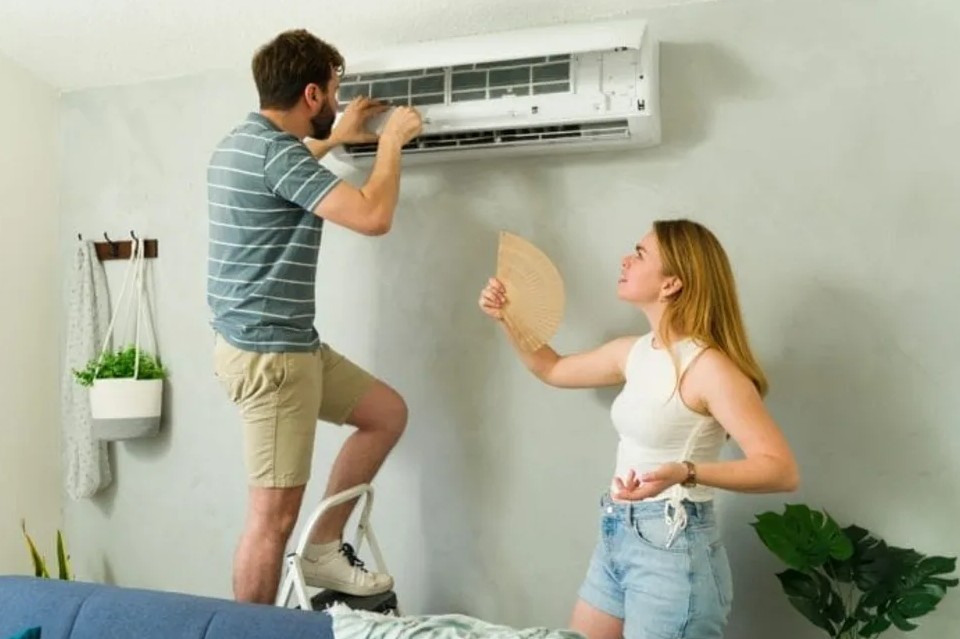
One of the most obvious warning signs is warm air blowing through your vents when the thermostat is set to cool. Sometimes this issue can be caused by something simple like a dirty air filter or thermostat setting, but it can also point to more serious problems within the system.
Low refrigerant levels, compressor issues, or restricted airflow can all prevent your AC from cooling properly. If your home never seems to reach the temperature you set, it is a good idea to have the system inspected before the problem gets worse.
Strange Noises That Were Not There Before
Air conditioners are not silent, but you get used to the normal sound your system makes over time. If you suddenly hear grinding, banging, rattling, squealing, or buzzing noises, your unit may be warning you that a component is wearing out or coming loose.
A squealing noise could indicate belt problems or motor issues. Banging sounds may point to loose parts inside the compressor. Rattling often means something has come disconnected. Ignoring unusual sounds can sometimes lead to larger mechanical failures that are much more expensive to fix later.
Weak Airflow Throughout the House
If your vents are barely pushing air into the room, your AC system may be struggling to circulate air properly. Weak airflow can happen for several reasons, including clogged filters, ductwork issues, failing blower motors, or frozen evaporator coils.
Some homeowners notice certain rooms staying warmer than others or that the system runs constantly without making the house feel comfortable. Poor airflow not only affects comfort, but it also forces the unit to work harder, increasing wear and tear on the system.
Frequent Cycling On and Off
Your air conditioner should cycle on and off periodically throughout the day. However, if it constantly turns on and off every few minutes, that is usually a sign something is wrong.
This issue, often called short cycling, can happen because of thermostat problems, electrical issues, overheating, or an aging system that can no longer operate efficiently. Short cycling puts extra stress on your equipment and can significantly shorten the lifespan of the unit.
It can also cause energy bills to rise because the system uses more electricity trying to restart repeatedly.
Higher Energy Bills Without Explanation
A sudden increase in your utility bill is often one of the earliest signs that your air conditioner is losing efficiency. As systems age or develop mechanical problems, they have to work harder and longer to cool your home.
Dirty coils, worn components, refrigerant leaks, and airflow restrictions can all make your system consume more energy than normal. If your usage habits have stayed the same but your electric bill keeps climbing, your AC may be struggling behind the scenes.
Excess Moisture or Leaks Around the Unit
Air conditioners naturally create condensation, but visible leaks or excessive moisture around the system should never be ignored. Water pooling near the indoor unit may indicate a clogged drain line, while refrigerant leaks can create much more serious concerns.
Leaks can lead to water damage, mold growth, and system failure if left untreated. If you notice moisture around your unit or ice buildup on refrigerant lines, it is best to have the problem checked quickly.
Bad Odors Coming From the Vents
Unpleasant smells coming through your vents can signal trouble inside your HVAC system. Musty odors may mean mold or mildew is growing somewhere in the ductwork or unit. Burning smells could point to overheating electrical components or wiring problems.
Any strong or unusual odor should be taken seriously, especially if it appears suddenly. Catching these issues early may prevent bigger repairs or safety concerns later on.
Your System Is More Than 10 to 15 Years Old
Even well-maintained air conditioners eventually wear out. Most systems last between 10 and 15 years depending on maintenance, usage, and climate conditions. If your unit is older and experiencing frequent problems, repairs may only provide temporary relief.
Newer systems are far more energy efficient and often cool homes more evenly and reliably. In many cases, replacing an aging unit can lower monthly utility costs while improving comfort indoors.
Paying Attention Can Save You Stress
Air conditioners usually give homeowners plenty of warning before completely breaking down. Strange noises, poor airflow, rising bills, and inconsistent cooling are all signs that your system may need professional attention.
The sooner problems are addressed, the better chance you have of avoiding major repairs during the hottest part of summer. Regular maintenance and prompt service can extend the life of your system and help keep your home comfortable when temperatures rise.