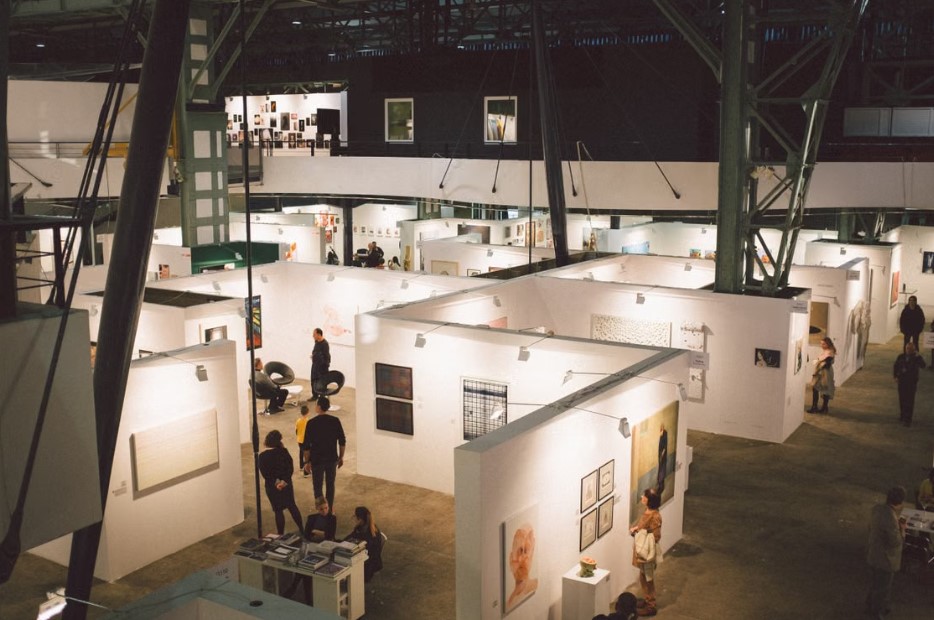
Event displays serve as powerful marketing tools that help businesses attract attention, communicate brand messages, and engage potential customers. Whether used at trade shows, conventions, corporate events, product launches, or industry expos, an effective display can significantly influence how attendees perceive a company and its offerings. In competitive event environments, where exhibitors often compete for limited attention, strong display design becomes essential.
Successful event displays are built on principles that combine aesthetics, functionality, and strategic communication. A display should not only look appealing but also guide visitors, reinforce branding, and encourage interaction. By understanding the key design principles that contribute to effective presentations, organizations can create exhibits that stand out and support their event objectives.
Prioritize Clear Visual Hierarchy
One of the most important principles of effective event display design is establishing a clear visual hierarchy. Visitors should immediately understand where to focus their attention when they encounter the exhibit.
Visual hierarchy is created through the strategic use of size, placement, color, and contrast. The most important elements, such as company logos, primary messages, and value propositions, should receive the greatest level of visual emphasis. Secondary details can then support those main messages without creating confusion.
Attendees often make decisions within seconds as they walk through an event space. If they cannot quickly identify who the company is and what it offers, they may continue on to the next exhibit. Effective hierarchy ensures that key information is accessible and easy to process.
A display that presents information in a logical order helps visitors absorb messages more efficiently while improving overall communication effectiveness.
Maintain Consistent Branding
Brand consistency is another essential element of successful event displays. Every visual component should reinforce the company’s identity and contribute to a cohesive presentation.
Colors, typography, logos, imagery, and messaging should align with existing brand standards. Consistent branding creates familiarity and strengthens recognition, both during the event and afterward.
A unified appearance also communicates professionalism. Exhibits that maintain a consistent visual style often appear more organized and trustworthy than displays with disconnected graphics or mixed messaging.
Consistency should extend beyond signage and graphics. Promotional materials, digital content, staff apparel, and supporting displays should all contribute to the same visual experience.
When branding remains consistent throughout the exhibit, attendees are more likely to remember the organization and associate positive impressions with its identity.
Design for Distance and Visibility
An effective event display must capture attention from both near and far. Designing with visibility in mind helps increase traffic and ensures that attendees can identify the booth within a crowded venue.
Large, readable text is critical for communicating messages from a distance. Short headlines and concise value statements often perform better than lengthy descriptions. Visitors should be able to understand the core message without approaching the display first.
Height can also contribute significantly to visibility. Elevated graphics and large display structures help branding remain visible above neighboring exhibits and crowds.
Many exhibitors incorporate a curved tension fabric display because it allows for large-scale graphics while creating an attractive visual profile that can be recognized from various angles throughout an event space.
Improving visibility increases the likelihood that attendees will notice the booth and engage with the company.
Create Balance Between Simplicity and Information
One common mistake in event display design is attempting to communicate too much information at once. While businesses naturally want to share details about their products and services, excessive content can overwhelm visitors.
Effective displays strike a balance between simplicity and information. Key messages should be highlighted clearly, while secondary information can be provided through brochures, digital presentations, or conversations with booth staff.
Whitespace, or open visual space, is a valuable design element that helps maintain clarity. A display that feels clean and organized is often easier to understand and more visually appealing than one crowded with text and graphics.
Simple designs also support stronger messaging. Visitors are more likely to remember a focused concept than multiple competing ideas presented simultaneously.
By reducing unnecessary complexity, organizations make it easier for attendees to absorb and retain important information.
Use Lighting Strategically
Lighting is a powerful design tool that can dramatically improve the effectiveness of an event display. Proper illumination enhances visibility, emphasizes focal points, and contributes to the overall atmosphere of the exhibit.
Accent lighting can draw attention to featured products, demonstrations, or branding elements. Well-lit displays often appear more professional and inviting, encouraging attendees to explore the space further.
Lighting can also help create a sense of depth and dimension, making the exhibit feel more dynamic and engaging. Illuminated graphics and display elements often stand out more effectively than standard signage in busy exhibition environments.
The goal is not simply to make the booth brighter but to use light intentionally to highlight important features and guide visitor attention.
When integrated thoughtfully, lighting becomes an active contributor to the display’s overall impact.
Support Natural Visitor Flow
A display should be designed with movement in mind. Visitors should be able to navigate the space comfortably and understand where interactions are intended to occur.
Open entrances encourage participation and reduce hesitation. Crowded layouts or large barriers at the front of the booth may discourage attendees from entering or engaging with staff.
Designers should consider how attendees will move through the space and arrange displays accordingly. Product demonstrations, meeting areas, informational displays, and promotional materials should be positioned to support a logical flow.
A well-organized layout improves both visitor comfort and operational efficiency. It allows booth staff to engage attendees more effectively while creating opportunities for meaningful conversations.
Supporting natural movement helps transform a display from a static presentation into an engaging experience.
Focus on Engagement and Interaction
The most successful event displays encourage participation rather than passive observation. Interactive experiences often leave stronger impressions and create more memorable connections with attendees.
Engagement can take many forms, including product demonstrations, touch-screen presentations, hands-on activities, educational sessions, and interactive technology. These experiences provide opportunities for visitors to explore products and services in a meaningful way.
Personal interaction remains equally important. Booth staff should be approachable, knowledgeable, and prepared to communicate the company’s value clearly. Positive conversations often strengthen brand perception and support relationship building.
Engagement helps attendees move from observing a display to actively participating in the brand experience. This level of involvement increases the likelihood that they will remember the company long after the event concludes.
Displays designed around interaction tend to generate stronger results because they create experiences rather than simply presenting information.
Conclusion
Effective event displays are built on principles that combine visual impact, clarity, functionality, and engagement. By establishing a clear visual hierarchy, maintaining consistent branding, designing for visibility, balancing simplicity with information, using lighting strategically, supporting visitor flow, and encouraging interaction, organizations can create exhibits that resonate with attendees and strengthen brand recognition. A thoughtful design approach helps transform an exhibit into a powerful marketing tool that attracts attention, communicates value, and supports meaningful connections. In competitive event environments, these principles can make the difference between blending into the background and becoming a memorable presence.